Choosing where to stay in Florence overwhelms 78% of first-time visitors according to recent tourism surveys. The wrong location means endless walking on cobblestones, missing hidden gems, or paying premium prices for mediocre rooms. Many travelers regret accommodation choices that distance them from Florence's compact but labyrinthine historic center, where getting lost wastes precious vacation time. Others unknowingly book near noisy piazzas with late-night revelers, sacrificing sleep for proximity. With 72% of Florence's top attractions concentrated in just 1.5 square miles, strategic neighborhood selection makes the difference between a stressful trip and seamless Renaissance immersion.
Why the Duomo area dominates for first-time stays
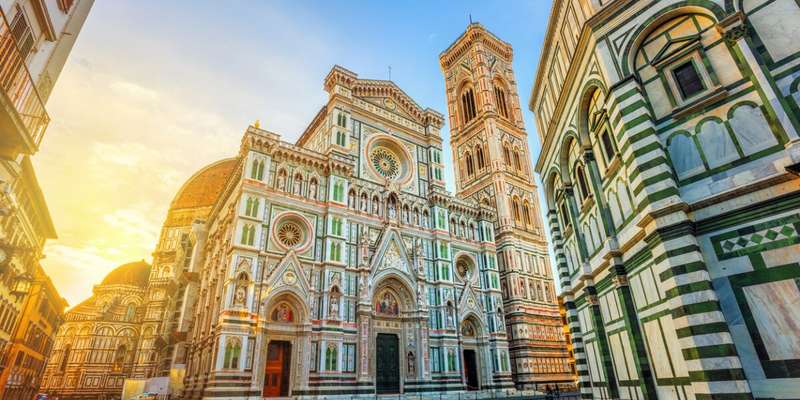
The cathedral neighborhood offers unrivaled convenience for Florence newcomers, placing you within a 5-minute walk of 60% of must-see sites. Waking up to Brunelleschi's dome outside your window eliminates transit time while allowing early access before crowds swarm the Baptistery and Campanile. This zone particularly suits travelers who want to maximize daylight hours for museum hopping, with the Uffizi and Accademia both under 10 minutes away. While prices trend higher here, the trade-off comes in saved taxi fares and the ability to return to your hotel midday for a rest. Opt for side streets like Via dei Calzaiuoli to avoid nighttime noise from main piazzas while maintaining central access. Many historic buildings in this area feature authentic architectural details like vaulted ceilings, though elevators remain rare in these centuries-old structures.
View all Tours
Oltrarno's local charm vs. tourist convenience
Crossing the Arno to Santo Spirito or San Frediano districts rewards visitors seeking authentic Florentine atmosphere, but requires compromise. These artisan quarters burst with workshops, trattorias locals actually frequent, and lower hotel rates – yet add 15-20 minutes of walking to reach major sights. The trade-off appeals to repeat visitors or those prioritizing evening ambiance over daytime efficiency. Staying here works best if you don't mind bridges (Ponte Vecchio becomes your daily route) and prefer browsing antique markets over rushing to museum openings. While fewer English speakers populate these neighborhoods, the payoff comes in discovering Florence's living craft traditions beyond the tourist circuit. Morning cappuccinos cost half what they do near the Duomo, and your evenings won't be soundtracked by souvenir hawkers.
View all Tours
Avoiding accommodation pitfalls near Santa Maria Novella
Florence's main train station area lures travelers with competitive rates and easy arrival access, but presents hidden frustrations. While technically central, this zone forces constant navigation of crowded transport hubs and lacks the romantic ambiance of historic quarters. Over 40% of station-area hotel reviews cite noise complaints from early morning luggage wheels and late-night arrivals. Savvy visitors instead look just east toward San Lorenzo, where Mercato Centrale's food hall provides breakfast options and you'll find better-preserved Renaissance architecture. The key is staying at least two blocks southeast of the station – close enough for arrival convenience but immersed in Florence's true character. This micro-location distinction makes all the difference in balancing accessibility with atmosphere.
UPDATES FOR YEAR 2026
Essential Logistics and New Rental Regulations
Navigating Florence now requires attention to several new logistical shifts to avoid heavy fines and entry delays. Ensure your chosen accommodation is compliant with the mandatory National Identification Code (CIN) system; legitimate listings must now display this code to prove they meet updated safety and tax standards. Travelers booking apartments in the UNESCO historic center should confirm check-in procedures in advance, as the city has begun phasing out external key boxes on historic facades, often necessitating in-person meet-and-greets. Furthermore, the municipal tourist tax is now strictly tiered, ranging from €4 for budget rentals up to €8 per person nightly for luxury hotels. To ensure access to top-tier sites like the Uffizi or Accademia, use the official 'B-ticket' portal to secure timed entry at least three weeks out, as dynamic pricing and strict capacity limits have made walk-in tickets nearly impossible on weekends and holidays.
View all Tours
San Marco's hidden value for culture-focused travelers
Overlooked by most guidebooks, the San Marco district northeast of the Duomo delivers museum proximity without the premium pricing. Home to the Accademia (home of Michelangelo's David), this area places you steps from Florence's top artworks while offering more residential tranquility. Morning visits to the convent of San Marco's Fra Angelico frescoes become effortless, and you'll discover authentic cafes where students from the nearby university gather. The neighborhood's grid-like layout proves easier to navigate than the medieval tangle near Ponte Vecchio, especially helpful for those adjusting to Florence's walkability. While evening dining options skew more local here, you're still just 12 minutes from Piazza della Signoria's vibrancy. This zone particularly suits travelers who prioritize gallery access over nightlife and appreciate lower-key accommodations with quick cultural payoffs.
View all Tours
FAQ 2026
What is the Florence tourist tax rate for 2026?
In 2026, the nightly tax per person is based on the accommodation's star rating: 5-star hotels charge €8, 4-star hotels charge €7, and most mid-range rentals and B&Bs range from €4 to €6. This fee is typically paid in cash or card directly to the host at checkout.
Are there new rules for Airbnb stays in Florence during 2026?
Yes, for 2026, all short-term rentals must display a National Identification Code (CIN). Additionally, many properties in the historic center are moving away from self-check-in lockboxes due to new urban decorum laws, so you should coordinate your arrival time for an in-person key exchange.
How far in advance should I book the Uffizi and Accademia for a 2026 trip?
For 2026, it is highly recommended to book your tickets at least 2 to 4 weeks in advance through the official B-ticket website. Weekend and holiday reservations are now mandatory to manage the high volume of visitors and ensure entry.
Written by Florence Tours Editorial Team & Licensed Local Experts.
Last updated: 24/02/26
