Florence's architectural wonders draw millions, yet most visitors miss the stories behind the stone. Over 16 million tourists crowd the city annually, with 78% clustering around just three landmarks according to municipal surveys. The frustration is palpable - queuing for hours only to skim surfaces, missing the Medici intrigues carved into palazzo walls or Brunelleschi's engineering secrets. Architecture enthusiasts face a particular dilemma: guidebooks can't convey spatial relationships, while group tours often prioritize speed over substance. This leaves travelers with beautiful photos but shallow understanding, wondering why certain domes defy physics or how medieval guildhalls influenced an entire continent's design. The magic of Florence lies in contextual details most rushed itineraries overlook.
Avoiding the Duomo disappointment – when timing beats tickets
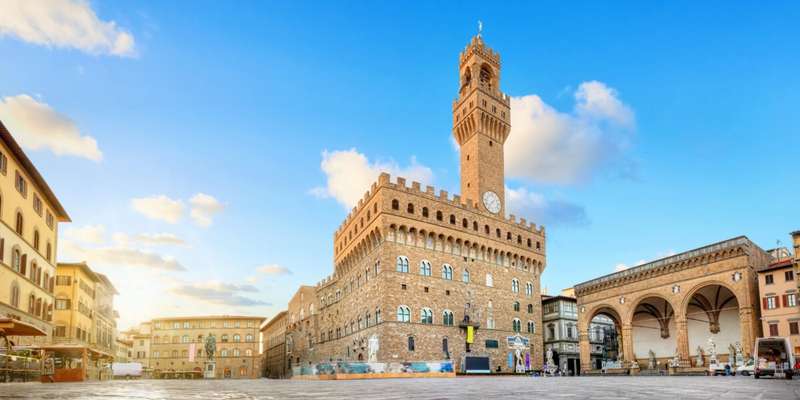
The cathedral complex overwhelms first-time visitors with four separate entry points and conflicting advice. Many waste precious hours in the Giotto's Campanile line when the better panorama hides elsewhere. Savvy architecture fans head to the Palazzo Vecchio's Arnolfo Tower first - its shorter queue offers comparable views with bonus insights into medieval civic design. For the Duomo itself, late afternoon slots reveal the dome's optical illusions as sunlight pierces the oculus. Local restorers note the 4:30pm golden hour transforms the interior's false perspective columns into a masterclass in forced perception. These nuances escape most rushed morning tours.
UPDATES FOR YEAR 2026
Essential Access Protocols: Navigating Official Guide Regulations and Pass Requirements
The municipal administration has implemented a rigorous sustainability framework that fundamentally changes how architectural tours operate within the historic center. Group sizes are now strictly capped at 25 participants, and the use of amplified sound or loudspeakers is prohibited to preserve the city's acoustic integrity; reputable tours now utilize silent whisper-radio systems. For those accessing the cathedral complex, specifically the climb to the Cupola, a mandatory security protocol requires that the name on the digital Brunelleschi Pass matches a government-issued ID at the point of entry. Furthermore, unauthorized vehicles like rickshaws and golf carts have been removed from the UNESCO zone, with transit now limited to official electric shuttles. These updates reduce friction at key bottlenecks and ensure that self-guided explorers and tour participants alike experience the city’s spatial harmony with fewer crowds and less noise pollution.
View all Tours
Beyond Michelangelo – where Renaissance rebels reshaped Florence
While David draws crowds, the Bargello Museum's overlooked courtyard showcases the competitive spirit that fueled architectural innovation. Here, Donatello's playful putti inspired Brunelleschi's radical Pazzi Chapel designs. Independent scholars recommend tracing this creative dialogue through Oltrarno's workshops. The Santo Spirito church, often omitted from commercial tours, displays Brunelleschi's unfinished model - revealing how wooden templates guided his famous dome. Such sites require no reservations, just knowledge of when conservators take lunch breaks (usually 1-3pm). This DIY route rewards those carrying Vasari's 'Lives' for on-site comparisons.
View all Tours
Medici secrets in plain sight – decoding political messaging
The Palazzo Medici Riccardi's courtyard hides a subtle revolution in its stonework. As architectural historian Francesco Caglioti notes, the graduated rustication wasn't just decorative - it signaled the family's rising status through masonry textures. Few commercial tours explain how Cosimo de' Medici used these details to avoid appearing too ambitious after his exile. Similarly, the Strozzi Palace's imposing cornice served as a defensive bluff during factional conflicts. These narratives come alive through specialized guides who map Florence's power struggles onto its buildings. Early evening tours particularly shine when angled light accentuates these deliberate design choices.
View all Tours
Hidden harmonies – finding Florence's architectural rhythm
The city's true genius emerges in spatial relationships most miss. A little-known vantage point from the Bardini Garden's belvedere frames three centuries of design: medieval towers, Renaissance domes, and Baroque extensions in one glance. Professors from Florence University often bring students here to demonstrate how urban planning responded to artistic revolutions. For independent explorers, tracing the original Roman grid via Via degli Strozzi reveals how ancient foundations influenced even the grandest palazzos. These connections require no tickets, just awareness of how to read the city's layers - knowledge best gained from archivists-turned-guides before attempting self-guided routes.
View all Tours
FAQ 2026
What is the new ID requirement for the Florence Duomo climb in 2026?
To combat ticket scalping and ensure security, all visitors must present a valid identity document that matches the specific name printed on their Brunelleschi Pass before being allowed to ascend the Dome.
Are loudspeakers allowed for guided walking tours in Florence during 2026?
No, the use of loudspeakers and amplifiers by tour guides is strictly banned in the historic center. All organized tours are now required to use wireless audio systems with individual earpieces for participants.
When is the Brunelleschi Dome scheduled for maintenance in 2026?
The Dome is scheduled for periodic maintenance closures from February 9 to 13 and November 16 to 20, 2026. Additionally, Giotto’s Bell Tower will be closed for maintenance from February 16 to 20 and November 9 to 13, 2026.
Written by Florence Tours Editorial Team & Licensed Local Experts.
Last updated: 24/02/26
