Florence's artisan heritage is one of Europe's richest, yet most visitors leave without experiencing its authentic workshops. Over 70% of travelers report dissatisfaction with mass-produced souvenirs, while hidden bottegas (workshops) struggle to connect with culturally curious visitors. The challenge lies in locating genuine artisans among tourist traps, understanding local customs, and appreciating centuries-old techniques without overspending. This disconnect means missing the heart of Florentine culture – where Michelangelo sourced materials and generations perfect trades like leatherworking, goldsmithing, and bookbinding. Worse, rushed itineraries often lead to purchasing inferior imports mistaken for local craftsmanship. With rising demand for meaningful travel, navigating Florence's artisan scene requires insights beyond guidebook listings.
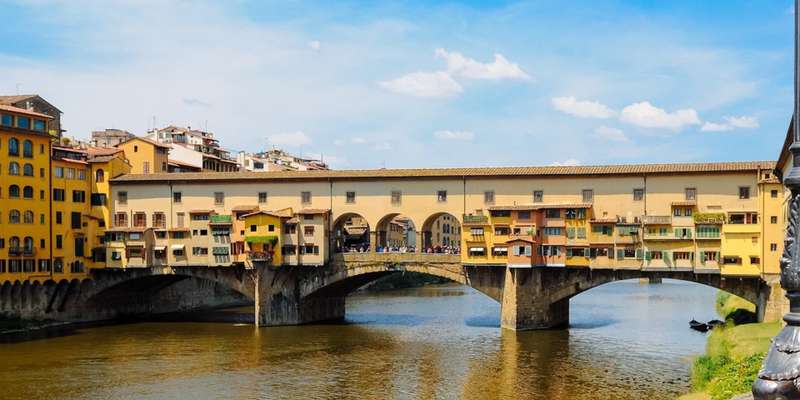
How to identify authentic artisan workshops vs tourist traps
Genuine Florentine workshops reveal themselves through subtle clues often overlooked. Family-run bottegas typically display the 'Artigianato Fiorentino' seal – a city certification guaranteeing local craftsmanship. Look for workshops tucked behind unassuming doors in Oltrarno (the Santo Spirito district), where master leatherworkers still hand-tool belts using Renaissance methods. Authentic spots rarely have flashy signs; instead, you'll hear the tap of chisels from goldsmiths or smell vegetable-tanned leather. Watch for artisans actually working onsite – most fake 'workshops' are just retail fronts. True masters like Paolo Penko (a fifth-generation bookbinder) welcome questions about their techniques. Pro tip: Workshops closing for lunch (usually 1-4pm) indicate traditional businesses rather than tourist-focused operations.
UPDATES FOR YEAR 2026
New Access Regulations and Mandatory Digital Payment Standards for Traditional Workshops
Navigating Florence's artisan districts now requires awareness of significant city-wide shifts in tourism management and fiscal transparency. As of early January, Italy has implemented a mandatory integration of electronic payment terminals (POS) with fiscal cash registers for all merchants. This change ensures that even the most historic, tucked-away bottegas in the Oltrarno now seamlessly accept digital payments and credit cards for any transaction, effectively ending the 'cash-only' era for small purchases. Furthermore, the city has introduced new public space protocols that restrict outdoor seating and street-side displays on over 120 historic streets, including many in the artisan-heavy San Lorenzo and Santa Croce districts. This move aims to improve pedestrian flow and preserve the architectural integrity of workshop entrances. Visitors should also utilize the 'Firenze Creativa' digital portal, which has become the centralized hub for booking authenticated workshop tours and verifying 'Master Craftsman' certifications, ensuring your support goes to genuine local heritage rather than mass-produced imitations.
View all Tours
The insider's route to affordable handmade treasures
Florence's best artisan purchases aren't found on Via de' Tornabuoni. Start at Scuola del Cuoio (the Leather School), where monks-turned-tanners sell imperfect-but-characterful pieces at half the price of designer stores. For jewelry, seek out the Ponte Vecchio's lesser-known back workshops – look for 'Fatto a Mano' signs indicating handcrafted items. Paper lovers should visit Giulio Giannini e Figlio, a 19th-century stationer offering marbled notebooks for under €20. Time your visit for November-April, when artisans often offer winter discounts. Many workshops provide free demonstrations – like Stefano Bemer's shoe atelier, where you can watch bespoke loafers being stitched. For meaningful souvenirs, consider smaller items: a hand-painted silk bookmark (from Antico Setificio Fiorentino) costs less than a generic mug but carries centuries of tradition.
View all Tours
Mastering the etiquette of artisan visits
Florentine artisans respect visitors who understand workshop protocols. Always greet with a polite 'buongiorno' before browsing – this establishes you as a serious appreciator rather than a window-shopper. Avoid touching unfinished pieces unless invited; gold leaf and delicate fabrics can be damaged. If an artisan is working, observe quietly from a respectful distance – many are happy to explain their process if approached courteously. Cash remains king in traditional workshops, though most now accept cards for purchases over €50. Remember that bargaining isn't customary except at street markets; artisan prices reflect years of training. For deeper immersion, learn key phrases like 'Quanto tempo per fare questo?' (How long to make this?) – this often sparks fascinating conversations. Some workshops like Lorenzo Villoresi's perfume laboratory require appointments, but will reward you with private viewings of their creative process.
View all Tours
Beyond leather: Unexpected artisan experiences most miss
While leather dominates Florence's reputation, secret artisan niches await discovery. The last remaining mosaic workshop (Pietre Dure) creates stunning stone inlays using Medici-era techniques – their free gallery showcases mind-bending geometric art. For musical craftsmanship, visit Liuteria Fiorentina to see lutes being carved from maple. Food artisans like Antica Officina del Cacao hand-grind chocolate using 18th-century methods, offering tastings for €5. Textile enthusiasts should seek out Antico Setificio's silk looms – some dating to 1786 – where you can watch damask fabrics being woven. The Oltrarno's lesser-known cobblers (like Stefano Branchini) craft made-to-measure shoes starting at €300, a fraction of Milanese prices. For a truly unique experience, book ahead at Cartiera Magnani, one of Europe's last handmade paper mills, where they'll demonstrate watermark techniques used for banknotes.
View all Tours
FAQ 2026
How have the 2026 Florence overtourism regulations affected visiting artisan workshops?
In 2026, Florence introduced stricter controls on outdoor business displays and seating across 120 streets to improve pedestrian access. While workshops remain fully operational, many now utilize the 'Firenze Creativa' digital platform for scheduled visits to manage studio capacity and provide a more intimate, crowd-free experience.
Are credit cards accepted at all Florence artisan shops in 2026?
Yes, as of January 1, 2026, a new Italian mandate requires all merchants to have electronic payment terminals (POS) fully integrated with their digital cash registers. This means even traditional workshops in the Oltrarno are now equipped and legally required to accept digital payments for any purchase amount.
What are the European Artistic Crafts Days dates in Florence for 2026?
The 2026 European Artistic Crafts Days (JEMA) are scheduled for April 7–12. During this international initiative, many exclusive Florentine laboratories that are typically closed to the public offer free entry and live demonstrations, centered around the 2026 theme 'Hearts at Work.'
Written by Florence Tours Editorial Team & Licensed Local Experts.
Last updated: 24/02/26
