While 15 million visitors flock to Florence's iconic Duomo and Uffizi Gallery annually, few discover the city's authentic soul beyond these crowded landmarks. The frustration of following standard itineraries means missing Florence's true character – its hidden courtyards buzzing with artisan workshops, Renaissance gardens whispering Medici secrets, and neighborhood trattorias serving recipes unchanged for generations. This oversight leaves travelers with surface-level experiences, unaware that 68% of Florence's most memorable moments happen away from TripAdvisor's top 10 listings. The city reveals its magic to those who know where to look, turning a checklist visit into a profound cultural immersion.
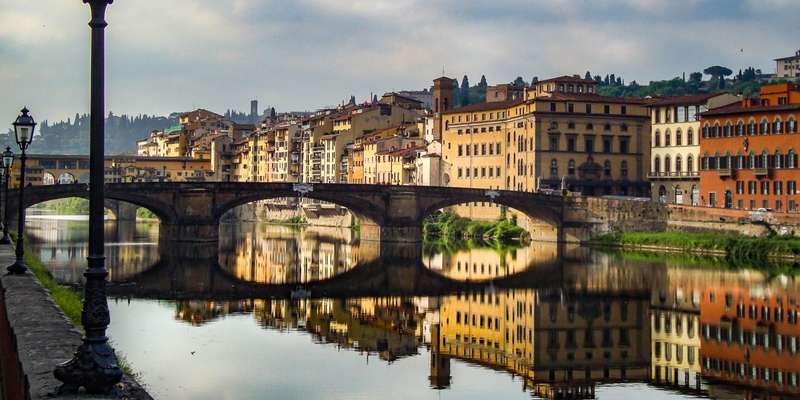
Escaping the crowds at Florence's secret viewpoints
The scramble for sunset photos at Piazzale Michelangelo leaves many visitors jostling for space, unaware that locals prefer the quieter Bardini Gardens just uphill. This 17th-century estate offers panoramic views over terracotta rooftops without the selfie-stick crowds, plus hidden pathways lined with wisteria tunnels and lemon trees. For an even more secluded option, the Rose Garden below provides stone benches perfect for savoring the panorama with a picnic. Early risers can have the 13th-century Torre della Pagliazza all to themselves – this medieval tower near Piazza Santa Elisabetta opens at 8am with vertigo-inducing views across the Oltrarno district. These alternatives prove you don't need to fight for space to witness Florence's golden-hour transformation.
View all Tours
Discovering Florence's living artisan traditions
Beyond the souvenir stalls of Ponte Vecchio lies Oltrarno's authentic workshop district, where fifth-generation craftsmen still practice Renaissance techniques. The narrow Via Toscanella alone houses a master bookbinder restoring antique volumes, a gilder applying 24k gold leaf using 16th-century methods, and a lute-maker crafting instruments for opera houses worldwide. At Paolo Penko's tiny bottega, you'll find the last Florentine creating handmade marble paper – a dying art once practiced by 30 workshops in 1900, now down to one. These artisans often welcome respectful visitors, especially if you arrive before noon when tourist groups descend. For deeper insight, some studios offer brief morning demonstrations explaining their centuries-old processes without commercial pressure.
View all Tours
Medici secrets in Florence's overlooked palaces
While Palazzo Vecchio draws queues, the underrated Palazzo Medici Riccardi reveals more intimate Medici history through its hidden chapel and quiet courtyard. The Magi Chapel's 15th-century fresco cycle remains startlingly vivid, depicting the Medici family as biblical wise men – a bold political statement few visitors witness. Nearby, the often-empty Palazzo Davanzati transports you to medieval Florence with its original furnishings and peculiar 'husband's viewing hole' above the marital bed. These residences showcase domestic Renaissance life more authentically than crowded museums, with architectural details like concealed staircases designed for discreet political maneuvering. Visiting in late afternoon when day-trippers depart enhances the time-travel effect, especially during golden light filtering through original stained glass.
UPDATES FOR YEAR 2026
Essential Entry Updates for Historic Palaces and Hidden Gardens
Navigating Florence's heritage sites now requires specific logistical timing. Notably, the primary entrance to Palazzo Medici Riccardi has been temporarily relocated to Via de' Ginori 2. Once inside, the fragile frescos of the Magi Chapel are protected by a strict capacity limit of ten visitors every five minutes, making an early arrival essential to secure a slot. For those exploring Palazzo Davanzati, please be aware that the upper floors—housing the most intimate medieval details—are no longer accessible via general admission. You must now request a staff-accompanied time slot in person at the ticket desk immediately upon arrival, as these areas are restricted to small, guided rotations. Additionally, the Bardini Garden has moved to a unified ticketing system with the Boboli Gardens; your pass now covers both estates, though both remain closed on the first and last Monday of every month.
View all Tours
Dining where Florentines eat near major sights
Just 200 meters from the Duomo's tourist traps, family-run Trattoria Mario has served ribollita to market vendors since 1953, maintaining its no-reservations policy and handwritten menu. The Sant'Ambrogio district hides gems like Da Rocco inside the food market, where butchers and nonnas lunch on €8 pappardelle al cinghiale. For an authentic aperitivo, seek out enoteca Fuori Porta's stone cellar near San Niccolò – their Chianti selection pairs perfectly with crostini neri (the Florentine chicken liver pâté most menus get wrong). These spots prove you needn't sacrifice location convenience for authentic flavors, provided you adjust your schedule to Italian dining hours and embrace cash-only policies that keep institutions happily unchanged.
View all Tours
FAQ 2026
What are the new entry requirements for Palazzo Medici Riccardi in 2026?
Starting in early 2026, visitors must use the temporary entrance located at Via de' Ginori 2. Access to the Magi Chapel is limited to 10 people at a time for 5-minute intervals to preserve the Renaissance frescoes.
How do I book a tour of the upper floors at Palazzo Davanzati in 2026?
Reservations for the second and third floors of Palazzo Davanzati cannot be made online for 2026. You must book your staff-accompanied visit in person at the museum ticket office the moment you arrive.
What is the Florence tourist tax for overnight visitors in 2026?
In 2026, the city tax ranges from approximately €4.50 to €8 per person, per night, depending on the accommodation's star rating. This fee is typically paid in cash or by card directly to your host and is capped after seven consecutive nights.
Written by Florence Tours Editorial Team & Licensed Local Experts.
Last updated: 24/02/26
