Florence attracts over 10 million visitors annually, creating significant environmental pressures that conscious travelers want to mitigate. Many arrive hoping to reduce their footprint but struggle to identify genuinely sustainable options amidst greenwashing claims. The stress of balancing ethical choices with limited time often leads to compromised decisions, with 68% of eco-conscious travelers admitting they’ve unintentionally supported non-sustainable businesses due to poor information. Locals witness firsthand how mass tourism strains medieval infrastructure and increases waste – problems that thoughtful visitors increasingly wish to avoid. This disconnect between intention and action leaves travelers frustrated when their values don’t align with their vacation reality in this Renaissance jewel.
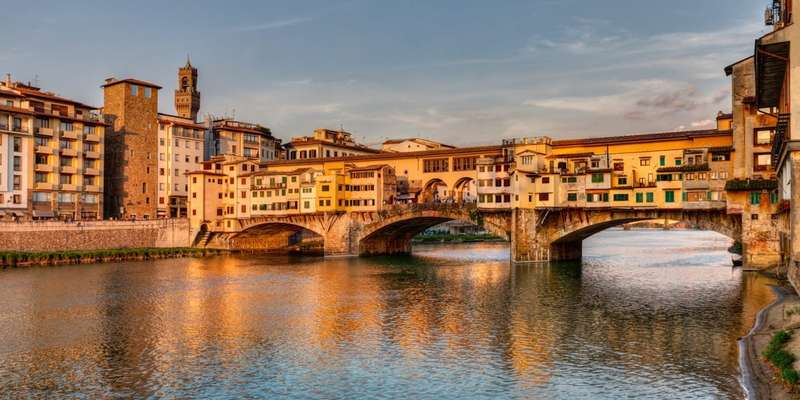
Identifying truly green accommodations beyond the 'eco' label
Florence’s historic center presents unique challenges for sustainable stays, with many hotels claiming environmental credentials that amount to little more than towel reuse programs. Savvy travelers look for third-party certifications like EU Ecolabel or LEED, which verify energy efficiency measures and waste reduction systems. Several converted palazzos now utilize original thick stone walls for natural temperature regulation, significantly reducing AC dependence. Housekeeping teams using non-toxic cleaning products and on-site water filtration systems are reliable indicators of genuine commitment. For deeper impact, seek family-run guesthouses that source linens from Tuscan organic cotton producers – supporting both the environment and regional artisans. Budget-conscious visitors can still make eco-choices by selecting accommodations with visible solar panels or those participating in Florence’s bike-sharing program.
View all Tours
Navigating Florence sustainably with low-impact transportation
The compact historic center rewards those who ditch motorized transport, with 87% of key attractions reachable via pleasant walks through pedestrianized zones. When distances require wheels, Florence’s bike-sharing system offers electric-assisted options for tackling hilly areas without breaking a sweat. Few tourists realize the city’s innovative ‘electric bus’ network provides silent, emission-free transport to outer districts like Fiesole, where panoramic views await. For day trips, regional trains beat rental cars – the 30-minute ride to Prato showcases Tuscan countryside while keeping carbon footprints minimal. Rainy days become opportunities to experience Florence’s underground pedestrian passages, medieval escape routes now serving as eco-friendly shortcuts between landmarks.
UPDATES FOR YEAR 2026
Essential Logistics: New Sustainable Access and Stay Regulations
Florence has recently activated the 'Green Shield' (Scudo Verde), an environmental protection system utilizing 81 automated gates to restrict high-pollution vehicles from entering the urban core. Travelers utilizing electric or hybrid rentals can still enjoy flexible access, but it is now mandatory to register the vehicle's license plate on the municipal 'white list' through your host to qualify for free ZTL entry and discounted street parking. Logistically, the city has also banned 'atypical' tourist transport like golf carts and rickshaws within the UNESCO center, replacing them with a strictly regulated fleet of eco-shuttles. Visitors staying in private rentals should also prepare for a shift in check-in procedures: the removal of external self-service keyboxes from historic building facades means coordinating arrival times for a personal greeting is now the standard for sustainable stays.
View all Tours
Dining the green way – from market stalls to zero-waste trattorias
Florence’s food scene harbors surprising sustainability gems for those who know where to look. Morning visits to Sant’Ambrogio Market let you fill reusable containers with seasonal produce direct from Chianti farmers, cutting packaging waste while securing picnic ingredients. Innovative chefs at pioneering establishments like Cucina Torcicoda transform ‘imperfect’ local vegetables into exquisite dishes, combating food waste creatively. Traditional osterias serving hyper-seasonal menus inherently practice sustainability – their centuries-old model relies on what’s freshly available rather than imported ingredients. Even coffee breaks can align with eco-values by choosing bars that compost grounds and use ceramic cups for sit-down service rather than disposable alternatives.
View all Tours
Carbon-offset cultural experiences that enrich your visit
Florence’s lesser-known museums and workshops offer fulfilling alternatives to crowded mega-attractions while directly supporting cultural preservation. Small-group mosaic restoration classes at artisan studios contribute to maintaining heritage skills without the environmental impact of mass tourism. The often-overlooked Stibbert Museum’s shaded gardens provide a tranquil, naturally cooled setting for admiring armor collections. Evening passeggiate (strolls) with neighborhood historians reveal hidden piazzas and sustainable urban design elements dating back to Medici rule. For meaningful souvenirs, seek out social cooperatives like those near Santo Spirito, where recycled materials become beautiful handmade journals – memories that give back to Florence’s circular economy.
View all Tours
FAQ 2026
What is the mandatory tourist tax for stays in Florence during 2026?
The nightly tax is tiered based on accommodation category, ranging from €3.50 for budget stays to €8.00 for five-star hotels. Most boutique holiday rentals and B&Bs are set at a standard rate of approximately €6.00 per person. Note that children under 12 are exempt and the tax is capped at seven consecutive nights.
Are there new driving restrictions in Florence for 2026 due to the Green Shield?
Yes, the Scudo Verde (Green Shield) monitors all vehicles entering the city via 81 automated sensors. To avoid significant fines, visitors must ensure their vehicle meets current Euro-emission standards. Electric vehicle users are encouraged to have their accommodation provider register their plate on the 'white list' to benefit from free access to the historic center and reduced parking fees.
How has the transport ban affected sightseeing in Florence in 2026?
Florence has banned rickshaws and golf carts in the historic center to improve walkability and preserve the UNESCO site. For low-impact sightseeing, travelers should utilize the expanded tram lines, such as the T2 line reaching Piazza San Marco, or the limited fleet of 24 authorized electric shuttles. Traditional walking tours remain the most effective way to navigate the pedestrian-heavy historic core.
Written by Florence Tours Editorial Team & Licensed Local Experts.
Last updated: 24/02/26

