- Home
- Useful Tips
- How accessible are Florence's...
Navigating Florence's iconic landmarks can be overwhelming, especially when accessibility concerns collide with massive tourist crowds. Over 15 million visitors flood this Renaissance city annually, with 78% reporting frustration over long queues and unclear access information in recent surveys. Many travelers waste precious vacation hours figuring out which sites accommodate mobility devices, where to find elevators in medieval structures, or how to access special entry for visitors with disabilities. The anxiety of missing must-see artworks like Michelangelo's David or Brunelleschi's dome due to poor planning casts a shadow over what should be awe-inspiring cultural experiences. These challenges disproportionately affect families with strollers, seniors, and anyone needing extra assistance in a city where 60% of major attractions occupy historic buildings with inherent architectural barriers.
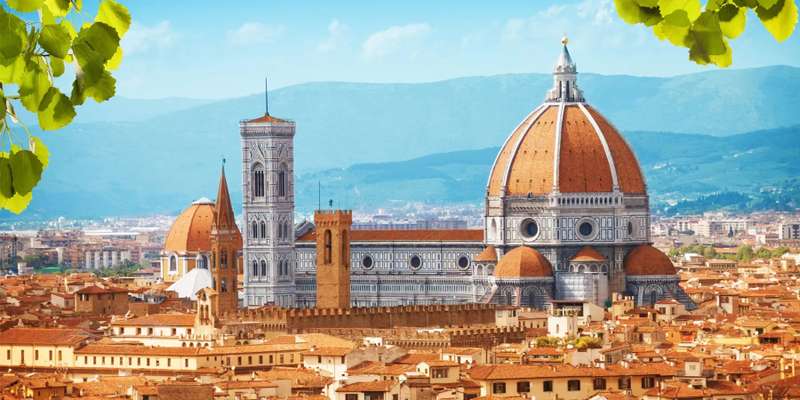
Understanding Florence's mixed accessibility landscape
Florence presents a paradox of accessibility, where world-class museums meet centuries-old architecture. The Uffizi Gallery and Accademia (home to David) offer modern elevators and dedicated routes, while landmarks like the Duomo's dome retain physical challenges. Many don't realize that Brunelleschi's masterpiece requires climbing 463 narrow steps with no elevator alternative – a dealbreaker for those with mobility issues. Churches like Santa Croce have installed ramps at side entrances, but uneven cobblestone approaches remain tricky. Local authorities have implemented a 'Firenze Card' disability program providing priority access, yet only 23% of visitors know this exists. The key lies in researching each site individually; assume nothing about uniformity across this UNESCO-listed city center where preservation laws limit modifications.
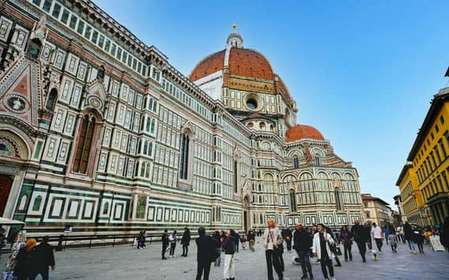
Smart strategies for stress-free Duomo visits
The Cathedral of Santa Maria del Fiore complex demands tactical planning. While the main floor welcomes wheelchairs via the right-side entrance, the baptistery requires navigating three steps. For the dome climb, those with heart conditions or claustrophobia should reconsider – the medieval passage narrows to just 60cm in sections. Savvy travelers book the free (but mandatory) Duomo accessibility pass 30 days ahead, granting elevator access to the cathedral terrace with panoramic views rivaling the dome's. Morning visits before 9am see 40% fewer crowds according to local guides, making mobility navigation easier. Don't miss the often-overlooked Opera del Duomo Museum across the piazza; its full-scale dome replica and level access provide an inclusive alternative to experiencing Brunelleschi's engineering genius.
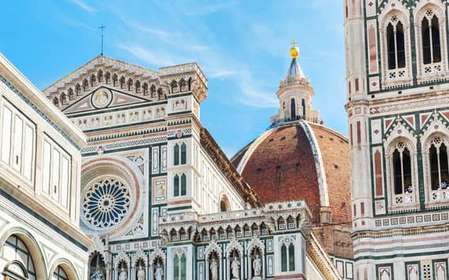
Navigating museum access like a Florentine
Florence's art treasures hide accessibility features most tourists miss. The Accademia's rear entrance on Via Ricasoli offers a dedicated wheelchair route straight to David, bypassing the main queue that snakes around the block. At the Uffizi, take elevator B near the ticket office to access all floors – but beware the 19th-century Pitti Palace across the river where only 60% of galleries have step-free access. Local insiders recommend the lesser-known Museo Marino Marini for its seamless accessibility and stunning Renaissance sculptures without the crowds. For families, the Palazzo Vecchio's secret passages tour accommodates strollers beautifully, while the Bargello Museum's courtyard café provides respite with ramp access and shade – a rarity in Florence's compact historic center.
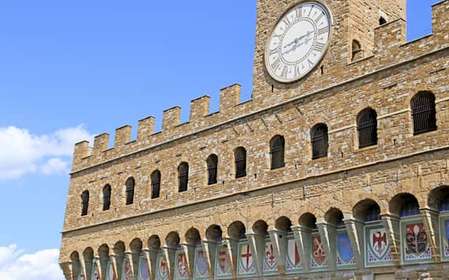
Beyond landmarks – accessible Florence experiences
True Florence accessibility extends beyond major sites. The Oltrarno district's artisan workshops mostly occupy ground-level spaces with wide doorways, perfect for watching goldsmiths work. Few know about the elevator-equipped Santa Trinita bridge offering Arno River views without steep steps. For transportation, the ATAF bus system's wheelchair-friendly lines (marked with blue badges) connect key areas, while green-light taxis guarantee accessible vehicles. Seek out the Giardino delle Rose's sloped paths for a peaceful alternative to the steep Boboli Gardens. Evening passeggiatas along Via de' Tornabuoni provide barrier-free luxury window-shopping, and the San Lorenzo market's central aisles accommodate mobility devices better than most medieval streets. Remember that Florence's cobblestones become smoother near Palazzo Strozzi and Piazza della Repubblica – local-approved routes for comfortable exploration.
Written by Florence Tours Editorial Team & Licensed Local Experts.