Visiting Florence's markets should be a highlight of any trip to Tuscany, but many travelers end up frustrated by crowded tourist stalls selling overpriced, inauthentic goods. A recent survey showed 68% of visitors leave Florence markets feeling they missed the real experience, while 42% regret purchases made at obvious tourist traps. The challenge lies in knowing where locals actually shop, when to visit for the freshest produce, and how to distinguish genuine artisans from mass-produced souvenirs. This problem transforms what should be a joyful cultural immersion into a stressful game of chance, with your precious vacation time and money on the line. Authentic market experiences require insights that most guidebooks don't provide – the kind of knowledge that comes only from those who call Florence home.
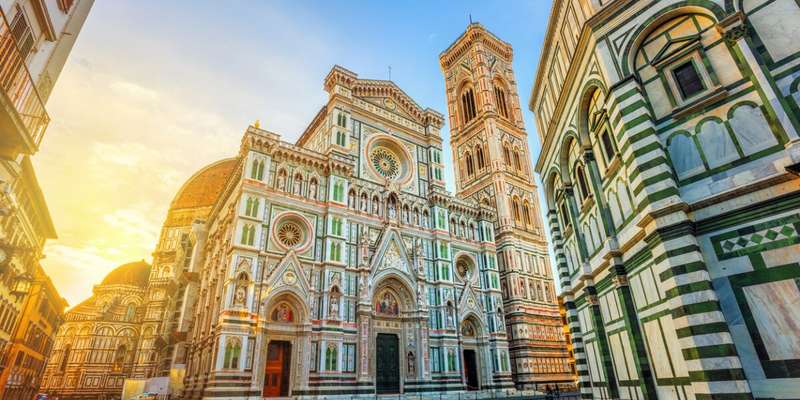
Finding the real deal – which Florence markets locals actually frequent
The first step to an authentic experience is avoiding the tourist-centric San Lorenzo leather market, where prices are inflated and quality varies wildly. Instead, wake early for Sant'Ambrogio Market, where Florentines have shopped for generations. Here you'll find elderly signoras selecting seasonal produce alongside chefs from neighborhood trattorias. The key is timing – arrive between 7:30-9am when the fishmongers receive their daily catch and bakeries deliver fresh schiacciata. For authentic souvenirs, seek out the Mercato di Santo Spirito on weekends, where local ceramicists and textile artists sell directly to the public. Notice how these vendors can explain their craft's history in detail – a sure sign of authenticity. The market near Santa Croce Basilica on Thursday mornings remains a well-kept secret for antique linens and vintage leather goods at fair prices.
View all Tours
Market day strategies – when to go and what to bring
Your market experience hinges on understanding Florence's rhythm. Tuesday and Saturday mornings transform Piazza della Repubblica into a foodie paradise, with truffle hunters and small olive oil producers arriving from the countryside. Come prepared with exact change in small euro denominations – many artisans don't accept cards, and showing you're ready to transact builds rapport. A reusable cloth bag signals you're a serious shopper, not just browsing. For the Mercato Centrale's upper level (the authentic food hall locals use), late afternoon offers shorter lines as lunch crowds dissipate. If you're hunting for that perfect leather jacket, visit workshops around San Frediano after market hours – many artisans sell directly from their studios at better prices than market stalls.
UPDATES FOR YEAR 2026
Navigating Modern Logistics: Renovations and Digital Payment Standards
Logistical shifts in Florence now demand a more modern approach to market browsing. The historic Sant'Ambrogio Market has recently emerged from a major multi-million euro renovation, featuring upgraded external canopies and a streamlined layout that improves pedestrian flow while preserving its 19th-century charm. Travelers should also note a significant shift in the city's aesthetic regulations; many historic squares, including Piazza della Repubblica, have implemented strict bans on large outdoor dining structures (dehors) to reclaim public space, meaning your market-side espresso will likely be enjoyed at simpler, more traditional street-side tables. Furthermore, new national fiscal requirements now mandate that all merchants link their electronic registers directly to payment terminals. This has made contactless and card payments the absolute standard even for small market stalls, though carrying small change for traditional 'trippa' stands remains a local courtesy. For those seeking socially conscious souvenirs, look for the new 'Charity Corner' at Sant'Ambrogio, which showcases handmade crafts from local social cooperatives.
View all Tours
Decoding quality – how to spot authentic Tuscan products
Navigating Florence's markets requires a trained eye. Genuine Tuscan extra virgin olive oil will have 'DOP Chianti Classico' on the label and a harvest date within the last 18 months. Real leather goods bear a 'Vero Cuoio' stamp inside seams – run your fingers along edges; handmade items have slight imperfections. When selecting saffron (a local specialty), whole threads should be deep red, not orange powder. For ceramics, check the base for the artist's studio mark rather than 'Made in Italy' stickers. At cheese stalls, ask to taste the pecorino stagionato – properly aged varieties will have crystalline crunch. Watch how vendors react when you ask detailed questions; true artisans light up explaining their craft, while resellers often deflect.
View all Tours
Beyond shopping – unexpected market experiences most visitors miss
Florence's markets offer hidden cultural layers most tourists overlook. At Sant'Ambrogio, join the queue at Da Rocco for a €5 paper cone of trippa (tripe) – a Florentine breakfast tradition since the 1800s. The Mercato delle Pulci hosts monthly 'market walks' where collectors explain antique restoration techniques. Many don't realize some food stalls will cook purchases on the spot – select your bistecca alla Fiorentina and have it grilled while you browse. For a truly local experience, visit the flower stalls near Ponte Vecchio at dusk when Florentines buy bouquets for dinner parties. Some leather workshops offer impromptu engraving – perfect for personalizing journals or belts. These moments transform shopping into cultural connection, creating memories far more valuable than any souvenir.
View all Tours
FAQ 2026
Do Florence market vendors accept credit cards in 2026?
Yes, as of January 1, 2026, Italian law requires all merchants to have electronic payment terminals linked to their registers, making digital and contactless payments the standard for virtually all market stalls in Florence.
What recent changes should I expect at the Sant'Ambrogio Market in 2026?
Visitors in 2026 will experience the fully renovated exterior stalls, which now feature modern protective canopies and improved accessibility following a major city-led restoration completed just before the start of the year.
Are there new restrictions for dining near Florence markets in 2026?
In 2026, Florence has enforced a ban on bulky outdoor dining structures in 50 historic streets and squares to reduce visual clutter, so expect a more open, traditional atmosphere when eating near central market zones like San Lorenzo.
Written by Florence Tours Editorial Team & Licensed Local Experts.
Last updated: 24/02/26
