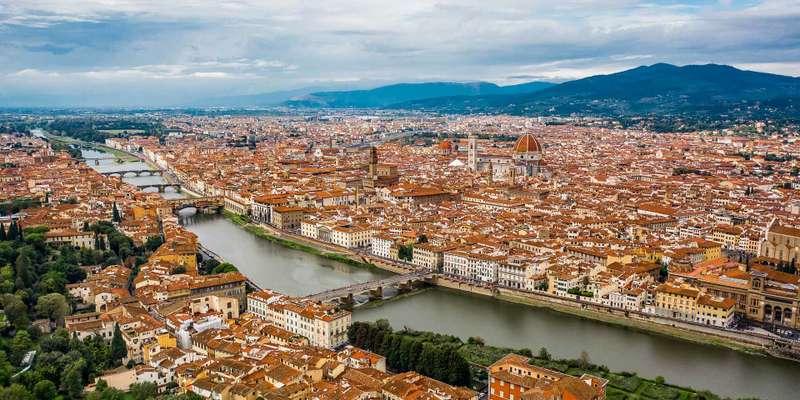
Florence brims with artistic treasures, yet most visitors miss its hidden masterpieces while jostling through crowded museums. Over 15 million tourists flood the city annually, with 85% clustering around the same five attractions, leaving intimate chapels and private collections overlooked. This creates a frustrating paradox – you came to connect with Renaissance brilliance, but find yourself herded through packed galleries, unable to appreciate the art. The true soul of Florence lies beyond the Uffizi's long lines, in frescoed monasteries where monks still chant and palazzo courtyards where Cellini once worked. Discovering these spaces requires no special access, just insider knowledge of timing, etiquette, and overlooked addresses that locals have quietly cherished for centuries.
Escaping the Uffizi crowds for intimate alternatives
While the Uffizi's celebrity draws inevitable queues, savvy art lovers head first to the Museo di San Marco, where Fra Angelico's luminous frescoes adorn a 15th-century Dominican monastery. Unlike the rushed museum experience, here you'll stand alone with breathtaking annunciations in monks' cells, the silence broken only by echoing footsteps on historic stone floors. Time your visit for weekday mornings when tour groups are scarce, allowing contemplation of details like the delicate tears on the Virgin's face in Cell 3. Equally overlooked is the nearby Cenacolo di Sant'Apollonia, housing Andrea del Castagno's monumental Last Supper – Florence's answer to Da Vinci's masterpiece, viewed without reservations or time limits. These spaces offer what mass-market tourism can't: unmediated encounters with art in the settings creators intended.
View all Tours
The secret chapel circuit even Florentines adore
Beyond major churches, Florence's spiritual art thrives in tiny chapels requiring neither tickets nor advance planning. Start at Santa Trinita's Cappella Sassetti, where Ghirlandaio's fresco cycle rivals the Sistine Chapel in narrative richness but welcomes visitors freely. A five-minute walk leads to Santa Felicita's Cappella Capponi, home to Pontormo's radical Mannerist Deposition – its acid-hued figures glowing beneath a dome few tourists notice. The true insider move? Visit during the 4-6pm lull when sacristans often permit closer access. For those willing to ring discreet doorbells, the Palazzo Medici Riccardi's Magi Chapel reveals Gozzoli's jewel-like procession frescoes, their gold leaf shimmering in a space barely changed since 1459. These sacred spaces deliver artistic transcendence without the Vatican-style spectacle.
UPDATES FOR YEAR 2026
Navigating New Entry Rules for Florence’s Restricted Masterpieces
Current logistics for Florence’s hidden gems have shifted toward mandatory digital reservations to preserve fragile environments. The Magi Chapel in Palazzo Medici Riccardi now enforces a strict maximum capacity of 10 visitors per 15-minute slot; booking at least 48 hours in advance is essential as walk-ins are rarely accommodated. At the Brancacci Chapel, ongoing preservation efforts often limit access to specialized 'scaffolding tours,' which provide a rare, eye-level view of Masaccio’s frescoes but require specific time-slot tickets. For state-run sites like the Museo di San Marco and the Bargello, the official 'B-Ticket' platform remains the only authorized portal to avoid inflated third-party fees. Additionally, travelers should note that many smaller oratory spaces and 'cenacoli' (Last Supper refectories) have standardized their mid-week closures to Tuesday or Wednesday, making a weekend or Monday visit more reliable for the 'secret circuit' of spiritual art.
View all Tours
Unlocking private palazzo art collections
Florence's noble families still reside in palaces housing extraordinary art, accessible through carefully curated visits. The Palazzo Corsini opens its Baroque picture gallery by appointment, offering Raphael portraits and Caravaggio canvases in a domestic setting. More unexpectedly, the English Cemetery's guided tours include the private Stibbert Museum, where a 19th-century eccentric amassed armor collections displayed in theatrical tableaux. For contemporary surprises, the hidden Marino Marini Museum showcases the modernist's equestrian bronzes in a deconsecrated church. While some require nominal fees, these experiences cost less than premium museum tickets and deliver something priceless: art viewed as the Medici intended – amidst living history rather than sterile galleries. Morning visits often yield spontaneous curator encounters, transforming a simple viewing into a cultural exchange.
View all Tours
Timing secrets for stress-free art encounters
Florence's artistic rhythm follows patterns known only to residents. The key is avoiding the 10am-2pm museum rush by embracing Italian cultural timing. Visit the Bargello's Donatello sculptures during lunch (12:30-2pm) when groups disperse for pasta. Save the Accademia's David for late afternoons – not only are crowds thinner, but sunset light transforms Michelangelo's marble through the gallery's oculus. Wednesday mornings see fewer visitors at the Brancacci Chapel's Masaccio frescoes, while rainy days drive tourists indoors, leaving outdoor treasures like Giambologna's Rape of the Sabines virtually unattended. Even the Duomo's often-overlooked Museo dell'Opera del Duomo shines at opening hour, when Ghiberti's original Gates of Paradise can be studied without jostling. This strategic approach turns inevitable waits into opportunities – that 'dead hour' before dinner becomes perfect for Santo Spirito's tranquil crucifix or Orsanmichele's niche sculptures.
View all Tours
FAQ 2026
Do I need to book tickets in advance for Florence’s hidden chapels in 2026?
Yes, while many minor churches remain free, high-demand small spaces like the Magi Chapel and the Brancacci Chapel require mandatory time-slot reservations in 2026. Reservations should be made via the official Musei Civici Fiorentini website at least two days prior to your visit to ensure entry.
What is the best way to avoid crowds at the Accademia and Uffizi in 2026?
In 2026, the most effective strategy is utilizing 'Smart Morning' entries (before 8:15 AM) or 'Late Night' openings, which occur on Tuesdays and Thursdays during peak season. Purchasing tickets through the official state portal avoids the long lines common at third-party reseller kiosks.
Are there new tourist taxes or entry fees for Florence’s historic center in 2026?
While there is no city-wide entry fee for pedestrians in 2026, the city has implemented an updated overnight tourist tax ranging from €3.50 to €8.00 per person per night, depending on the accommodation star rating. These funds are used directly for the maintenance of UNESCO-listed heritage sites and museum security.
Written by Florence Tours Editorial Team & Licensed Local Experts.
Last updated: 24/02/26
