Exploring Florence by night presents a magical yet daunting prospect for many travelers. With 78% of visitors expressing concerns about nighttime safety in European cities (Tourism Safety Survey 2023), the fear of getting lost or encountering unsafe areas often overshadows the allure of moonlit piazzas and illuminated Renaissance architecture. The dilemma is real: you want to experience Florence's legendary evening ambiance—the soft glow on Ponte Vecchio, the lively piazza gatherings—but worry about navigating unfamiliar streets after dark. This tension between desire and apprehension keeps many tourists confined to their hotels, missing out on what locals consider the city's most enchanting hours. The challenge isn't just about physical safety, but also about knowing which areas maintain their charm after sunset versus those best avoided, how public transport operates, and where authentic nighttime experiences unfold away from tourist traps.
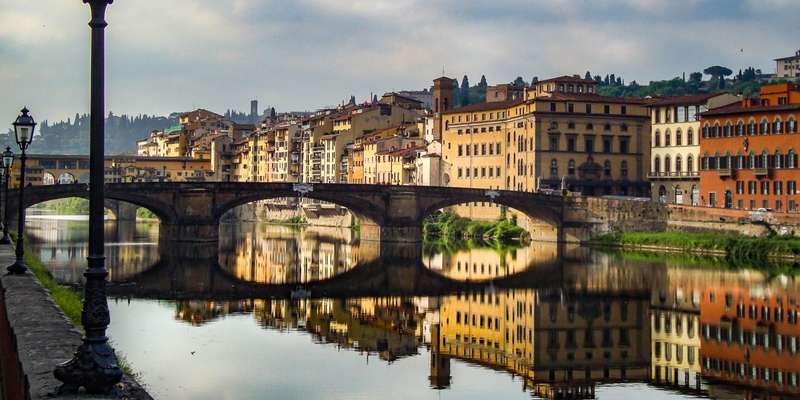
Understanding Florence's nightscape – safe zones vs areas to skip
Florence transforms after sunset, with safety levels varying dramatically by neighborhood. The historic center remains lively and generally secure until midnight, particularly around illuminated landmarks like Piazza della Signoria and Santo Spirito where restaurants and bars maintain a steady crowd. Locals recommend sticking to well-lit main streets (Via de' Tornabuoni, Via Roma) and avoiding shortcuts through narrow alleys after 11 PM. The Oltrarno district south of the river offers authentic evening charm with artisan workshops and wine bars, though the area near Santa Maria Novella station becomes desolate post-9 PM. University areas near Piazza San Marco buzz with student activity until late, while suburban zones like Novoli lack both attractions and reliable foot traffic. Police presence concentrates around major monuments, but pickpocketing risks increase in crowded nightspots like Piazza del Duomo. Savvy travelers mirror Florentine habits—enjoying passeggiatas (evening strolls) along populated routes before transitioning to established venues for late-night drinks.
View all Tours
Local-approved night transport – getting home without hassle
Navigating Florence's nighttime transportation requires different strategies than daytime exploring. While buses run until midnight (with reduced frequency after 8:30 PM), taxis become the only public option post-midnight—a system that frustrates 62% of visitors according to local transit surveys. The key is planning your return route before heading out: note locations of taxi ranks at Piazza della Repubblica, Santa Maria Novella station, and Piazza Santo Spirito. Avoid unmarked cars; official white taxis display a 'Comune di Firenze' crest. Better yet, arrange accommodations within walking distance of evening plans—most central hotels lie within 20 minutes of major sights. Night owls should know that Florence lacks 24-hour transit, and rideshares operate inconsistently. Locals suggest pre-booking late returns through hotel-recommended drivers if staying beyond the historic center. Those venturing to Fiesole or Piazzale Michelangelo for sunset views should confirm return options before departing, as the scenic routes become isolated quickly after dark.
UPDATES FOR YEAR 2026
Modern Transit Solutions and Enhanced Security Corridors
The landscape of nighttime mobility has shifted with the full integration of the 'Tap-to-Ride' contactless payment system across all Autolinee Toscane buses, eliminating the need for pre-purchased paper tickets. Travelers should prioritize the expanded tramway network, specifically the VACS line reaching Piazza San Marco, which provides a brightly lit and high-frequency alternative to walking through desolate station zones. For those needing private transport, the transition to app-based hailing via itTaxi and AppTaxi has replaced the traditional struggle of street-hailing, offering GPS-tracked rides and transparent pricing. Furthermore, the city’s 'Smart Lighting' initiative has significantly increased visibility in the Oltrarno and near the Cascine borders, creating designated 'Green Routes' specifically monitored by enhanced CCTV networks to ensure safe passage for late-night pedestrians.
View all Tours
Authentic nighttime experiences – where Florentines go after dark
Florence reveals its true character after sunset through local-led experiences most tourists miss. Wine windows (buchette del vino) in Oltrarno serve Chianti from medieval portals until 10 PM—a unique tradition revived post-pandemic. Bookbinding workshops near Santa Croce host evening demonstrations, while artisan studios along Via dello Sprone open their doors for nighttime shopping events. For culture beyond crowded clubs, seek out jazz at Golden View Open Bar or literary readings at Paperback Café. Foodies follow the 'apericena' trail—bar-hopping for discounted drinks with buffet spreads—best experienced in Sant'Ambrogio district. Locals cherish summer nights at Giardino delle Rose's open-air cinema or moonlit visits to Bardini Gardens (open until midnight June-August). These insider-approved options provide richer alternatives to touristy dinner cruises, with the added benefit of safety in numbers as you mingle with residents rather than wandering alone. Evening cooking classes and gallery openings also offer structured ways to experience nocturnal Florence while avoiding questionable areas.
View all Tours
Solo traveler strategies – enjoying Florence nights confidently
Solo explorers can safely savor Florence's nights by adopting key precautions refined by frequent solo visitors. Start evenings early (6-7 PM) when streets remain active but crowds thin—ideal for photography and relaxed dining. Choose central accommodations with 24-hour reception so you're never locked out. Restaurants like Trattoria Mario and All'Antico Vinaio welcome solo diners at communal tables, while wine bars (Enoteca Pitti Gola) offer conversation with sommeliers. For added security, join evening walking tours that conclude near your lodging—many cover hidden gems like Vasari Corridor viewpoints. Female travelers particularly recommend well-lit routes along Arno riverbanks and staying in areas with visible 'women's safe space' stickers (common in Santo Spirito shops). Tech tools help too: offline maps marked with police stations (Carabinieri offices at Via Zara 2 and Borgo Ognissanti 48), and translation apps for emergency phrases. The golden rule? Blend in—Florentines dine late but rarely wander aimlessly after midnight. By mirroring these patterns, solo visitors minimize risks while maximizing magical moonlit moments under Brunelleschi's dome.
View all Tours
FAQ 2026
Is the tramway a safe option for late-night travel in Florence during 2026?
Yes, the 2026 tramway network, including the T1 and T2 lines and the San Marco extension, is considered the safest nighttime transit option. Stations are equipped with 24/7 video surveillance and high-intensity LED lighting, making them much safer than walking through unmonitored side streets.
What are the updated taxi regulations for travelers in Florence in 2026?
In 2026, it is highly recommended to use official apps like itTaxi or AppTaxi rather than waiting at ranks. These apps provide the driver’s credentials and vehicle ID in advance, ensuring you are using a licensed 'Comune di Firenze' vehicle with fixed-rate transparency for nighttime supplements.
Are there specific areas in Florence with nighttime restrictions in 2026?
While the city remains open, 2026 regulations strictly enforce 'anti-bivouac' laws and alcohol consumption limits in high-traffic zones like Via de' Neri and Piazza Santo Spirito to maintain public safety. Always check for local signage regarding pedestrian-only zones that may limit taxi access to certain hotel doorsteps.
Written by Florence Tours Editorial Team & Licensed Local Experts.
Last updated: 24/02/26

