Choosing where to stay in Florence can overwhelm first-time visitors, with 72% reporting pre-trip anxiety about location decisions according to recent tourism surveys. The wrong neighborhood choice means either exhausting walks to major sights or missing the city's authentic charm in overly touristy zones. Historic center accommodations book months in advance, while hidden gem areas require local knowledge to navigate. This dilemma impacts everything from your morning cappuccino experience to evening passeggiata strolls along the Arno. We've distilled decades of Florentine living to solve your location puzzle.
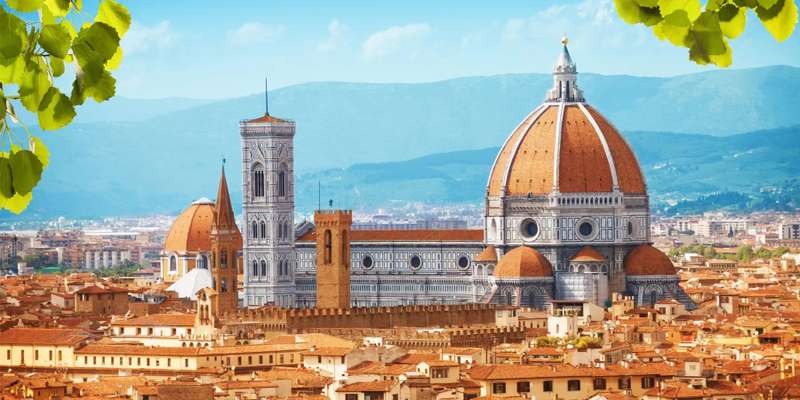
Why the Historic Center overwhelms first-timers (and when it's worth it)
The UNESCO-listed centro storico seems ideal - until you're dragging luggage over cobblestones to a hotel sandwiched between tourist traps. While the Duomo area puts everything within walking distance, 58% of visitors report noise complaints in peak season according to hotel review data. The secret lies in specific streets: Via Tornabuoni offers luxury with breathing room, while Borgo San Jacopo combines accessibility with local character. Morning visits to Mercato Centrale feel magical when you're steps away, but dinner options skew heavily toward overpriced trattorias catering to day-trippers. This zone works best for short stays under three nights or travelers prioritizing landmark access over authenticity.
UPDATES FOR YEAR 2026
New Regulation Updates and Essential Booking Rules for Travelers
Florence has recently implemented significant changes to its visitor infrastructure to protect its UNESCO-listed core. A new ban on outdoor 'key boxes' (lockboxes) and tighter restrictions on new short-term rentals within the historic center mean that first-time visitors should verify their check-in logistics directly with hosts, as many now require face-to-face meetups. Additionally, the city has restricted rental e-scooters in the center to improve pedestrian safety and limit sidewalk clutter. Logistically, pre-booking for the Duomo’s Dome and the Accademia Gallery is now essentially mandatory, with time slots often selling out weeks in advance. Travelers should also be aware of the tiered tourist tax (tassa di soggiorno), which ranges from €3.50 to €8.00 per person per night depending on the star rating of your accommodation, payable directly to your hotel or host.
View all Tours
Oltrarno's artisan magic - the local-approved alternative
Cross Ponte Vecchio to discover Florence's left bank, where workshops outnumber souvenir shops and your morning espresso costs half the price. The Santo Spirito district maintains its 15th-century soul with family-run bottegas and affordable wine bars frequented by art students. While slightly farther from the Duomo (15-20 minute walk), you'll trade convenience for handmade leather goods at original prices and dinners where Italians outnumber tourists. Our tip: focus on streets between Piazza Santo Spirito and Palazzo Pitti for the perfect balance of accessibility and local flavor. Evening passeggiatas here mean joining Florentines strolling past goldsmith ateliers still using Renaissance techniques.
View all Tours
San Marco's hidden advantage for culture lovers
University students and savvy travelers cluster near this historic convent for good reason. The Accademia's doorstep location means beating crowds to David viewings, while local cafés like Pasticceria Robiglio remain untouched by tourism. Though technically in the center, the neighborhood's academic vibe creates a residential feel. Budget-conscious visitors appreciate the concentration of affordable guesthouses on Via Cavour, many with original frescoed ceilings. The secret perk? Direct access to lesser-known marvels like the Museo di San Marco's Fra Angelico frescoes before tour groups arrive. This area particularly suits travelers who prefer morning cultural immersion over late-night revelry.
View all Tours
Navigating Florence's accommodation sweet spots
The ideal Florence stay balances three factors: walkability to major sites, authentic local character, and value for money. Our neighborhood compass: Historic Center for 48-hour whirlwind trips, Oltrarno for weeklong immersive stays, and San Marco for art-focused visitors. Smart travelers book apartments near Sant'Ambrogio Market for a residential feel with superb food access, or consider San Frediano's emerging creative quarter for truly local prices. Remember even 'far' neighborhoods are rarely more than a 30-minute walk from the Duomo - and that stroll past Renaissance palazzos becomes part of your Florentine adventure. Evening light over the Arno looks particularly magical when returning 'home' to a neighborhood that feels uniquely yours.
View all Tours
FAQ 2026
What are the Florence tourist tax rates for 2026?
The tourist tax is tiered based on your accommodation type: 5-star hotels typically charge €8.00 per person per night, 4-star hotels charge €7.00, and short-term rentals or B&Bs are generally set at €6.00. This fee is paid directly to the facility at checkout.
Can I still book an Airbnb in the Florence Historic Center in 2026?
Yes, existing short-term rentals are still operational, but a ban on new rental registrations in the UNESCO zone has limited supply. Be aware that the city has also banned outdoor key boxes, so you may need to coordinate a specific arrival time for a manual key exchange with your host.
Are rental e-scooters available in Florence in 2026?
The city of Florence has implemented a ban on rental e-scooter sharing services within the city center to reduce congestion on narrow Renaissance streets. Travelers are encouraged to utilize the expanded tramway lines or the highly walkable pedestrian zones to navigate between neighborhoods.
Written by Florence Tours Editorial Team & Licensed Local Experts.
Last updated: 24/02/26
